
You’ve seen the gorgeous before-and-after photos. You’ve heard that outdoor upgrades are a safe bet. But before you commit tens of thousands of dollars to a paver patio, you deserve a straight answer grounded in real data — not marketing fluff.
The short answer: yes, a paver patio can increase your home’s value. But the full answer is more nuanced. The return on investment depends heavily on how the patio is designed, built, sized, and where you live. This guide breaks it all down so you can make a confident, informed decision.
How Much Value Does a Patio Add to Your Home?
This is the question every homeowner asks — and the one most articles answer with vague optimism. Let’s be precise.
According to the National Association of REALTORS® (NAR) Remodeling Impact Report, a well-executed patio can recover up to 95% of its installation cost at resale. That’s one of the highest ROI figures for any home improvement project. A 2021 HomeLight survey found that outdoor space ranked as the third-most-prioritized feature for homebuyers, with patios specifically delivering an average return of 109% — or roughly $3,563 in added value.
“A well-designed patio offers a significant ‘wow’ factor, making homes sell faster and often at higher prices.” — Abby Nelson, top Orlando real estate agent with 20+ years of experience
But these headline numbers mask important variation. Here’s what actually drives the range:
- Location and local buyer demand — a patio adds more value in warm-weather markets than in regions with long winters
- Material quality — natural stone and concrete pavers outperform poured slabs in both longevity and perceived value
- Size and proportion — an undersized patio on a large lot underwhelms buyers; an oversized one on a small home overwhelms appraisers
- Condition at time of sale — a neglected, cracked patio can actually hurt value
ROI by Outdoor Feature (NAR & Remodeling Magazine)
| Feature | Avg. Cost Recovery |
| Paver Patio (New) | Up to 95% |
| Standard Concrete Patio | 60–75% |
| Outdoor Kitchen (High-End) | 100–200% |
| Wood Deck Addition | 66–89% |
| Fire Pit | ~78% |
| Overall outdoor spaces | +10–15% to home value |
Real ROI vs. Reported ROI: What Homeowners Get Wrong
The internet is full of articles claiming patios return 109%, 200%, or even more. These numbers aren’t necessarily wrong — but they’re often misunderstood.
What ROI Actually Measures
ROI in real estate doesn’t mean you profit on the project. It means the percentage of your total project cost you recover when you sell. A 95% ROI on a $15,000 patio means you recover $14,250 — you’re still $750 short, and that’s a best-case scenario.
The 109% figure from HomeLight reflects a specific subset of projects — modest, well-executed patios in seller’s markets. It does not represent the average outcome for every homeowner.
Where Inflated Claims Come From
- They often reflect perceived value (how much buyers love it) rather than appraised value (what shows up on the appraisal report)
- High-end luxury patios rarely earn back their full cost unless the surrounding home and neighborhood are equally premium
- DIY or poorly executed patios can drag value below zero — costing more to fix than they add

When a Paver Patio DOES Increase Home Value
Certain conditions consistently produce strong returns. If your project checks these boxes, you’re in good shape.
Professional Installation with a Proper Base
The foundation matters more than the surface. A proper patio installation includes gravel or crushed stone base preparation and a minimum pitch of 1/8 inch per foot sloping away from the home’s foundation. Without this, pavers shift, heave, and crack — and buyers notice.
Functional, Proportional Layout
Real estate agent Abby Nelson recommends the rule of thirds for outdoor spaces: one-third landscaping, one-third lawn, one-third patio. A patio that consumes the entire yard feels cramped; one that’s proportional feels intentional and livable.
Neighborhood Alignment
The most important question isn’t what you want — it’s what buyers in your neighborhood expect. Walk the block. If most homes have modest patios, a well-executed paver project will align with buyer expectations and deliver solid ROI. Building far beyond neighborhood standards rarely yields the expected return.
Seamless Indoor-Outdoor Integration
Modern buyers increasingly want a seamless flow between interior and exterior spaces. Patios that connect directly to the main living area through sliding or French doors, with matching or complementary materials, command a premium. This is the design trend most cited by agents as driving faster sales and higher offers.
When a Patio Adds Little or No Value
Just as important as knowing what works is knowing what doesn’t. These are the most common mistakes homeowners make:
- Overbuilding for the neighborhood
- Poor drainage — water pooling near the foundation signals a serious defect to buyers and inspectors
- Bad layout — patios that can’t fit standard furniture, or that cut off yard space awkwardly
- Low-quality installation — cracked, uneven, or sinking pavers are worse than no patio at all
- Mismatched aesthetics — a brick patio on a contemporary home, or a sleek modern design on a colonial, kills curb appeal
One common contractor shortcut: installing pavers directly on top of an old failed surface. This creates drainage nightmares and structural instability. Always address an existing failed patio before laying new pavers on top of it.
Cost vs. Value: Is a Paver Patio Worth It?
Typical Cost Ranges (Installed)
- Concrete pavers: $10–$25 per square foot
- Natural stone pavers (travertine, flagstone, bluestone): $15–$30 per square foot
- Labor for a 100 sq ft patio: $500–$1,500
- A 300 sq ft paver patio (typical): $8,000–$20,000 fully installed
ROI Scenarios
| Scenario | Est. Cost | ROI % | Value Added | Key Conditions |
| Best Case | $8,000–$12,000 | 90–95% | +$7,600–$11,400 | Quality install, ideal location, in-demand market |
| Average Case | $10,000–$20,000 | 50–75% | +$5,000–$15,000 | Solid install, mid-range neighborhood, standard size |
| Worst Case | $15,000–$30,000 | 10–30% | +$1,500–$9,000 | Overbuilt, poor drainage, luxury materials on modest home |
Keep the project proportional and properly installed, and you’ll likely recover most of your investment. Go too big or cut corners, and the return shrinks fast.
Paver Patio vs. Concrete Patio: Which Adds More Value?
Both are legitimate options, but they’re not equal in the eyes of buyers or appraisers.
| Factor | Paver Patio | Concrete Patio |
| Durability | 100-year lifespan; flexible system resists cracking | 20–30 years; prone to freeze-thaw cracking |
| Maintenance | Replace individual pieces; reseal every 3 years | Full slab replacement if cracked; costly repairs |
| Buyer Perception | Premium feel; high visual impact | Functional but ordinary; less emotional appeal |
| Upfront Cost | $10–$30/sq ft installed | $6–$17/sq ft installed |
| ROI Potential | Up to 95% cost recovery (NAR) | 60–75% typical recovery |
| Weather Performance | Interlocked system handles freeze/thaw well | Susceptible to cracking from frost heave |
The core difference is the system. Poured concrete is monolithic — when one part fails, the whole surface is compromised. Pavers are modular and flexible, allowing independent movement during freeze-thaw cycles and individual piece replacement when damage occurs.
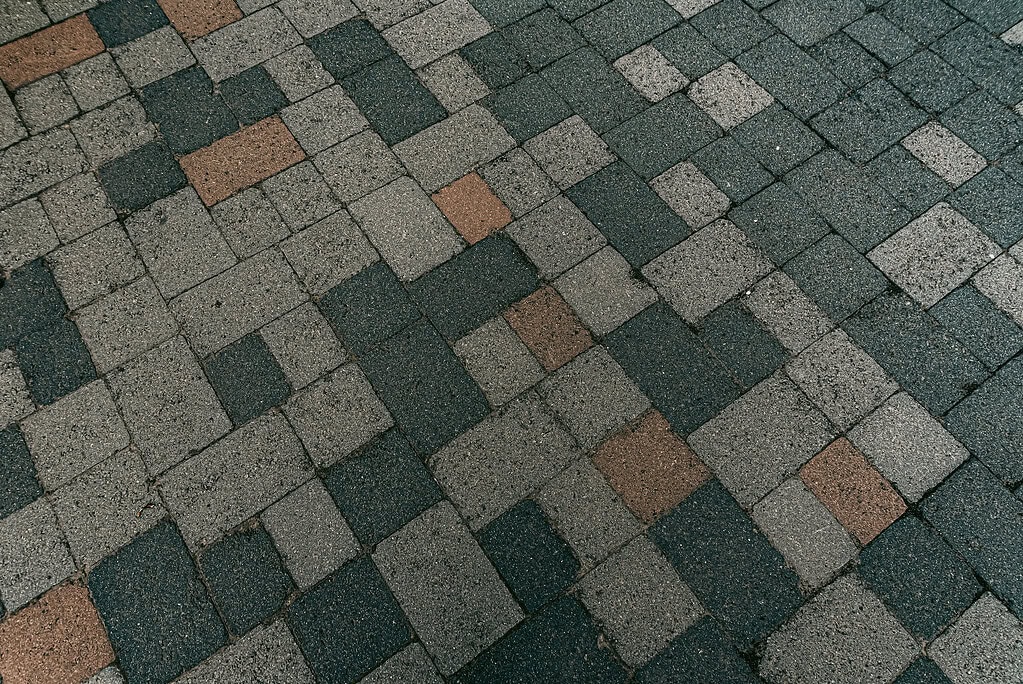
Natural stone pavers — travertine, bluestone, limestone — carry the highest aesthetic value and can last centuries with proper maintenance. Concrete pavers offer similar durability at a more accessible price point, in a wide range of colors and styles.
What Homebuyers Actually Pay More For
Understanding buyer psychology is as important as understanding appraisal data. Here’s what consistently moves buyers to offer more:
- Usable, defined space — buyers want to mentally move in; a well-staged patio with clear purpose triggers emotional buy-in
- Seamless indoor-outdoor flow — direct access from the main living area is a premium feature
- Low-maintenance signals — sealed pavers and built-in drainage tell buyers they won’t inherit headaches
- Perceived quality — the look and feel of natural stone or high-end concrete pavers communicates pride of ownership
- Integrated features — built-in fire pits, lighting, seating walls, and outdoor kitchens transform a patio from a surface into an experience
How Indiana Climate Impacts Patio Value
For homeowners in Indiana and the broader Midwest, climate is a critical factor in both material selection and long-term value.
Freeze-Thaw Cycles
Indiana experiences dramatic seasonal temperature swings. Water that seeps into cracked concrete during fall can freeze and expand in winter, widening cracks and accelerating deterioration. This is why poured concrete patios in the Midwest have a significantly shorter functional lifespan than in warmer climates.
Pavers, with their modular, interlocked design, handle freeze-thaw cycles far better. They flex with the ground rather than cracking under pressure. If a paver heaves or cracks, it can be lifted, releveled, and reset — no full demolition required.
Drainage Is Non-Negotiable
Indiana’s spring rain season puts drainage performance front and center. A patio without proper slope and base drainage will pool water, damage the home’s foundation, and create a liability that buyers and inspectors will flag immediately.
Permeable pavers go a step further — filtering stormwater through the paving system itself, reducing runoff and removing pollutants before they reach waterways. This eco-friendly feature resonates strongly with modern buyers.
Material Performance in Indiana
- Travertine pavers: excellent freeze-thaw performance, eco-friendly, highly durable — available around $7/sq ft
- Concrete pavers: best value for Midwest climates; proven durability in wide range of tones and sizes
- Natural stone (bluestone, limestone): premium option with superior aesthetics; requires proper sealing for Midwest winters
- Poured concrete: adequate for covered patios; high risk for exposed applications in freeze-thaw zones
How to Maximize the Value of a Paver Patio
1. Start with the Base
Every professional patio installation begins with excavation and a compacted gravel base. Skipping this step is the single most common cause of paver failure. The base absorbs ground movement and provides drainage — without it, your investment starts shifting and sinking within years.
2. Design for Drainage
Every paved surface must slope away from the home at a minimum of 1/8 inch per foot. Consider installing drainage channels at the patio’s edge for added protection. In low-lying areas, permeable pavers can solve drainage problems while adding eco-value.
3. Match Materials to Your Home
Choose paver colors, textures, and patterns that complement your home’s architecture. A contemporary home benefits from clean-lined concrete pavers in neutral tones. A craftsman or colonial home pairs beautifully with brick or tumbled natural stone.
4. Size Proportionally
Follow the rule of thirds: roughly one-third of your usable backyard as hardscape, one-third lawn, one-third landscaping or buffer. This keeps the space balanced and prevents the over-paved look that turns off buyers.
5. Integrate Functional Zones
The highest-value outdoor spaces combine multiple uses: a dining area, a lounge or fire feature, and ideally some cooking capability. Each zone increases the perceived square footage of the property and gives buyers more reasons to connect.
6. Maintain It
Reseal pavers every three to five years. Power wash annually before listing. Replace any cracked or sunken pavers immediately — a single damaged section telegraphs neglect to buyers and inspectors alike.
Should You Build a Patio Before Selling?
When it makes sense:
- Your backyard has no hardscape and local buyers consistently expect one
- You can install a simple, well-executed patio for under $10,000–$12,000
- The patio complements the home’s style and existing landscape
- You have time for proper installation, settling, and staging
When it doesn’t:
- Your timeline is too tight for proper installation and curing
- The yard is already small — a patio would reduce lawn space buyers value
- You’re in a hot seller’s market where homes sell regardless of outdoor features
- Your budget would only deliver a low-quality install — that’s worse than nothing
One important perspective from agent Abby Nelson: buyers often just want to see that the yard has space for a patio. Unlike kitchen renovations, outdoor projects are less disruptive — buyers are more willing to take them on post-purchase. Sometimes, leaving space and pricing accordingly is the smarter play.
Conclusion: Is a Paver Patio a Smart Investment?
A paver patio can meaningfully increase your home’s value — but only when it’s executed thoughtfully. The projects that deliver strong ROI share a few traits: professional installation with a proper base, proportional sizing, material selection that suits both the climate and the home’s architecture, and a design that buyers can immediately envision using.
Most patio projects don’t fail because patios are a bad idea. They fail because they’re poorly designed, overbuilt for the property, or installed without proper base preparation and drainage. In Indiana especially, skipping the foundation work is the fastest path to a depreciating asset.
If your goal is resale value only: keep it simple, functional, and aligned with neighborhood expectations. A modest, well-executed paver patio almost always recoups its cost and speeds the sale.If your goal is long-term enjoyment + value: invest in quality materials and professional installation. Natural stone or premium concrete pavers, properly integrated with the home and landscape, will deliver both personal enjoyment and lasting equity.

Proven business leader with a strong track record of founding, growing, and scaling successful small businesses. Experienced in building companies from the ground up, driving sustainable growth, and leading teams through all stages of development. In the past year, led the delivery of 45+ custom deck projects. Skilled in identifying new business opportunities, developing and mentoring talent, and managing the full scope of daily operations—from sales and pricing strategy to financial oversight and execution. Known for operational excellence, strong financial acumen, and a continuous-improvement mindset that drives performance across every area of the business.