
The wooden decking market sits at the intersection of residential construction, outdoor living trends, and sustainability innovation. It’s not a speculative market driven by hype. It’s tied directly to housing permits, remodeling activity, timber supply, and homeowner spending behavior.
Across leading market research firms, the decking market size is estimated between $8–$10 billion globally, depending on whether reports include only natural wood decking boards or broader decking systems. Forecasts suggest steady growth through 2030 and into 2035, with compound annual growth rates (CAGR) ranging from 2.6% to nearly 4%.
That moderate but stable trajectory tells us something important: wooden decking is a mature industry with long-term demand fundamentals — not a volatile trend.
So what’s really happening beneath the surface?
Wooden Decking Market Size Overview
Global Market Value (2024–2025)
Estimates for the global wooden decking market range between:
- $8.4–$9.5 billion (2024–2026)
- Forecasts projecting $11–$12 billion by 2032–2035
The discrepancy between reports stems from scope differences. Some include only natural wood decking boards (pressure-treated lumber, cedar, redwood, tropical hardwood). Others include engineered wood, hybrid decking systems, and limited composite overlaps.
The most consistent global view places CAGR in the 2.6%–4% range, indicating stable but non-explosive expansion.
Growth is primarily driven by:
- Residential renovation activity
- Outdoor living upgrades
- Replacement cycles (aging decks require rebuilding every 10–20 years)
- Sustainability and certified wood demand
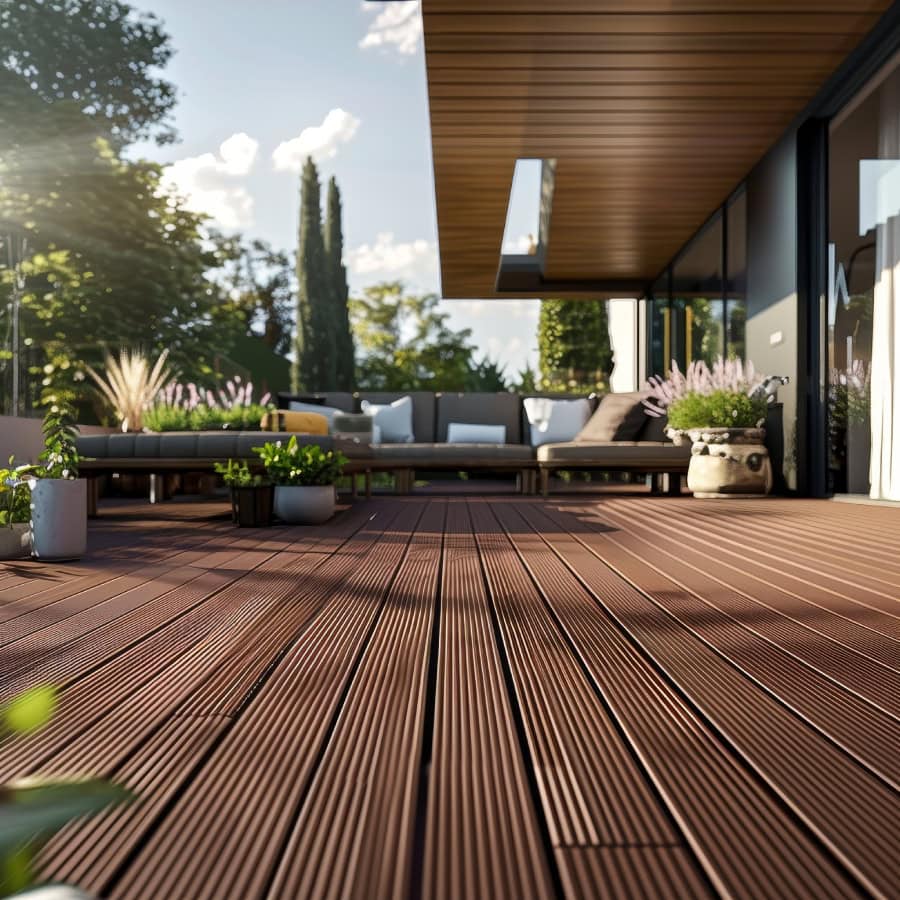
Decking Market Size vs Composite Decking
Although this guide focuses primarily on natural wood, any serious analysis of the decking market must address the competitive pressure from composite manufacturers such as Trex Company, Inc. and AZEK Company Inc.. Over the past decade, composite decking has steadily gained market share, particularly in mid- to upper-income residential segments.
Composite decking continues to expand for several clear reasons:
- It requires significantly lower ongoing maintenance compared to traditional wood.
- It offers strong resistance to moisture, rot, and insect damage.
- It is often backed by long-term warranty positioning that appeals to risk-averse homeowners.
These advantages have made composites attractive in regions with heavy rainfall, high humidity, or freeze-thaw cycles.
However, natural wood continues to maintain important structural and economic advantages in the global decking market. Wood remains highly competitive because:
- It typically carries a lower upfront material cost.
- It delivers natural grain patterns and warmth that synthetic alternatives attempt to replicate.
- It provides proven structural strength for framing and load-bearing applications.
- It benefits from widespread contractor familiarity and established installation practices.
The real competitive dynamic is not simply wood versus composite. It is a broader value equation: upfront investment versus long-term maintenance, authenticity versus engineered consistency, and material cost versus lifecycle performance.
Decking Industry Statistics That Matter
If you’re evaluating market opportunity, these Decking Industry Statistics tell the real story:
- Residential segment: ~70–76% of total market share
- Pressure-treated wood: Largest product category globally
- North America: Largest regional market
- U.S. construction establishments: 919,000+ (AGC data)
- U.S. residential construction spending: $900+ billion annually (U.S. Census Bureau)
- Remodeling spending continues to outpace new construction in many metro areas
- Decks remain one of the most common outdoor renovation projects (Houzz & Home Study)
The industry moves with housing confidence and remodeling budgets — not short-term design fads.
Wooden Decking Market by Type
Pressure-Treated Wood (Largest Segment)
Pressure-treated lumber accounts for the largest share of global wooden decking revenue and continues to dominate the market across residential construction and remodeling projects. Its position is not accidental — it is rooted in economics, performance, and distribution scale.
Pressure-treated wood remains the preferred option because it offers:
- Strong cost efficiency compared to hardwood and composite alternatives.
- Built-in resistance to fungal decay and insect damage through chemical preservation.
- Broad availability across major lumber yards and building suppliers.
- Straightforward installation processes familiar to most contractors.
Large timber producers such as Weyerhaeuser Company and West Fraser Timber Co. Ltd. support extensive supply infrastructure across North America, reinforcing this segment’s dominance.
Recent advancements in chemical preservation technology have further improved durability and moisture resistance. These enhancements extend deck lifespan, reduce premature replacement cycles, and help pressure-treated wood maintain its leadership position in the global wooden decking market.
Redwood & Cedar
Redwood and cedar occupy the premium softwood segment within the wooden decking market. While they do not match the volume of pressure-treated lumber, they command higher margins and appeal to homeowners prioritizing natural aesthetics and environmental positioning.
Redwood and cedar offer several inherent advantages:
- Natural resistance to decay without heavy chemical treatment.
- Rich visual warmth and distinctive grain patterns that enhance outdoor design.
- Lower reliance on synthetic preservatives compared to treated lumber.
Cedar remains particularly popular in Pacific Northwest climates, where its natural weather resistance and dimensional stability perform well in damp conditions. For homeowners seeking a balance between natural beauty and moderate durability, redwood and cedar continue to serve as strong alternatives within the decking industry.
Tropical Hardwood (Premium Niche)
Tropical hardwood species such as Ipe and Cumaru have historically served the high-end segment of the wooden decking market. These dense hardwoods are prized for their exceptional durability, natural resistance to insects and rot, and rich, upscale appearance.
However, global trade regulations and sustainability concerns have introduced new sourcing complexities. The inclusion of certain species under CITES (Convention on International Trade in Endangered Species) has tightened documentation requirements and increased scrutiny around legal harvesting practices. As a result, supply chains have become more constrained, and pricing volatility has increased.
This regulatory shift has created opportunities for thermally modified and engineered wood alternatives. Companies such as Metsä Group and UPM-Kymmene Corporation have expanded production of heat-treated and performance-enhanced wood products that aim to replicate hardwood durability without the same environmental or trade barriers. In the premium segment, performance and certification now matter as much as appearance.
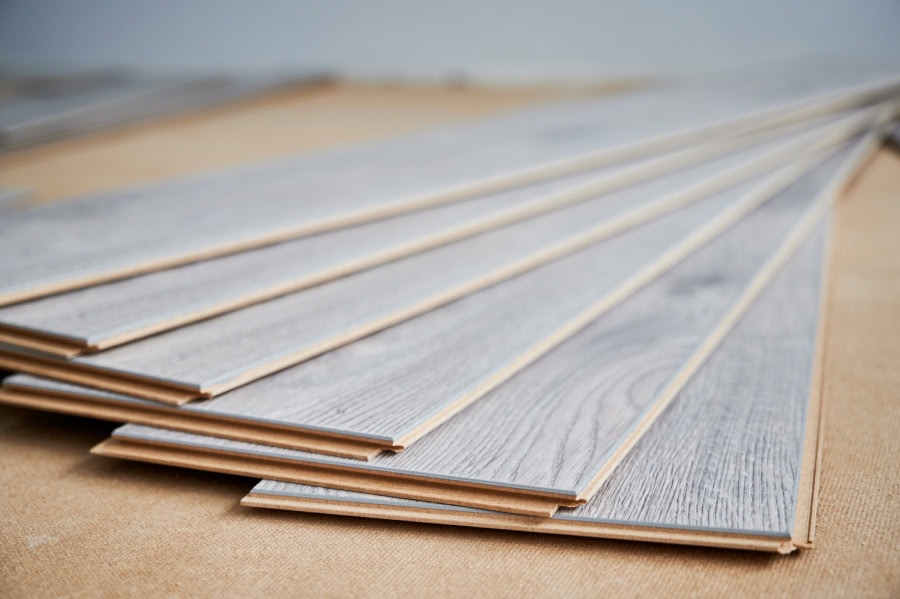
Wood-Plastic Composites (Competitive Threat)
Wood-plastic composites represent the most significant substitution pressure within the decking industry. Composite manufacturers, including Trex Company, Inc. and AZEK Company Inc., continue to invest heavily in marketing, innovation, and distribution.
Their competitive positioning centers on three primary advantages:
- Maintenance-free messaging that appeals to time-conscious homeowners.
- Long-term warranty programs that reduce perceived risk.
- Sustainability claims tied to recycled plastic content and reduced forest harvesting.
Composite products have gained traction in markets where moisture exposure, extreme weather, or homeowner maintenance fatigue drive purchasing decisions.
That said, natural wood retains strong structural credibility, authentic visual appeal, and price flexibility. The competitive landscape is tightening, but wood remains deeply embedded in contractor networks and regional construction practices.
Market by Application
Flooring (Dominant Use)
Flooring remains the dominant application within the wooden decking market. Deck boards are primarily installed as exterior flooring systems that extend functional living space beyond interior walls. These installations commonly include:
- Backyard entertainment areas
- Pool surrounds and spa platforms
- Rooftop terraces in urban environments
- Elevated balconies and multi-level decks
In addition to surface boards, structural framing components such as joists, beams, and support posts significantly contribute to overall lumber demand. The strength and load-bearing capacity of wood make it particularly suitable for these foundational elements, reinforcing its continued relevance in both residential and light commercial construction.
Railing (Fastest Growing)
Railing systems represent one of the fastest-growing segments within the decking market. Homeowners and developers increasingly view railings as both safety features and design statements.
Modern railing installations are often hybridized, combining wood posts with metal balusters or composite components to enhance durability and visual contrast. In many renovation projects, railing upgrades are completed independently of full deck rebuilds, creating an additional revenue stream within the industry.
Design-driven remodeling trends continue to push demand for customized railing systems that align with contemporary architectural styles.
Wall & Decorative Uses
Beyond horizontal surfaces, wood is increasingly being used for vertical applications. Thermally modified timber and specialty-treated boards are now featured in exterior cladding, privacy screens, and accent walls.
This shift reflects broader architectural preferences toward natural materials and texture-driven design. As modern outdoor spaces become more integrated with overall home aesthetics, decorative wood elements are expanding the functional and visual footprint of the wooden decking market.
End-Use Breakdown
Residential (Largest Segment)
The residential sector continues to represent the largest portion of the wooden decking market. In most global estimates, homeowners account for roughly three-quarters of total decking demand. Outdoor living is no longer considered an optional luxury upgrade. For many buyers, it is an expected feature of modern home design.
Homeowners increasingly design decks to function as true extensions of interior space. In practical terms, this means decks are being built or renovated to serve as:
- Outdoor kitchens and dining areas
- Entertainment platforms for gatherings and events
- Hybrid workspaces or quiet retreat zones
Remodeling activity remains a core growth driver. Aging deck structures require structural repair or full replacement after years of exposure to moisture, UV radiation, and seasonal temperature changes. As home improvement spending remains elevated in many regions, replacement cycles continue to support steady demand.
A well-designed and professionally installed deck can also increase perceived property value. In competitive housing markets, outdoor upgrades often influence buyer decisions and can deliver stronger resale returns than some interior renovations, especially when durability and design align with regional expectations.
Commercial & Hospitality (Growth Segment)
Although smaller than residential in total volume, the commercial and hospitality segment is steadily expanding. Restaurants, rooftop bars, hotels, and mixed-use developments increasingly incorporate wood and engineered timber decking to create experiential outdoor environments.
Commercial applications frequently include:
- Elevated and multi-level deck systems
- Sustainable hardwood installations that reinforce environmental branding
- Modular decking platforms designed for flexible layouts
In commercial projects, performance standards are more stringent than in residential builds. Durability ratings, fire resistance classifications, load-bearing capacity, and long-term maintenance requirements play a larger role in specification decisions. As urban development continues to emphasize outdoor gathering spaces, this segment is expected to contribute incremental but meaningful growth to the overall wooden decking market.
Regional Market Analysis
North America (Largest Market)
North America represents the largest regional share of the global wooden decking market, with the United States serving as the primary demand engine. The region’s dominance is supported by a combination of structural housing factors and consumer behavior patterns.
Several conditions reinforce North America’s leadership:
- A strong DIY culture that drives retail lumber and decking sales
- High remodeling and home improvement budgets
- A large stock of detached single-family homes with outdoor space
- An established and vertically integrated lumber supply chain
In addition, major distributors such as UFP Industries, Inc. anchor nationwide distribution networks, ensuring product availability across residential and commercial markets. Stable timber production, combined with contractor familiarity and regulatory clarity, continues to support steady demand across the region.
Europe (Sustainability-Driven Growth)
European markets approach decking with a stronger sustainability lens. Environmental certification, legal sourcing compliance, and lifecycle performance are central purchasing criteria.
European demand is shaped by:
- FSC certification requirements
- Compliance with deforestation and timber traceability regulations
- Growing adoption of thermally modified and engineered wood products
Scandinavian producers, including firms like Metsä Group and UPM-Kymmene Corporation, are expanding acetylated and heat-treated timber capacity to meet performance and environmental standards. While overall growth rates are moderate, sustainability-driven innovation is accelerating product evolution in this region.
Asia-Pacific (Fastest CAGR)
Asia-Pacific is projected to register the fastest compound annual growth rate within the wooden decking market. Rapid urbanization, expanding middle-class populations, and increasing disposable income levels are driving demand for modern residential and hospitality developments.
Markets such as Japan and Australia have established wood usage traditions, while emerging Southeast Asian markets are adopting Western-style outdoor living concepts. As urban density rises and lifestyle preferences shift toward experiential outdoor environments, decking installations are becoming more common in residential communities and mixed-use developments throughout the region.
Market Drivers
Several structural forces continue to support steady expansion in the wooden decking market. These drivers are tied to long-term housing behavior, urban development patterns, and material innovation rather than short-term trends.
Key growth drivers include:
- Outdoor living expansion. Homeowners increasingly view decks as essential extensions of interior space rather than optional add-ons. This cultural shift continues to fuel both new installations and upgrades.
- Urban population growth. As urban and suburban populations expand, demand for functional outdoor space increases, especially in residential communities and mixed-use developments.
- Remodeling cycle acceleration. Aging deck structures require repair or replacement after prolonged exposure to weather, creating recurring demand.
- Sustainability certifications. Growing emphasis on FSC-certified timber and traceable sourcing strengthens demand for responsibly harvested wood.
- Technological improvements in wood treatment. Advances in pressure treatment, thermal modification, and acetylation have significantly enhanced durability and resistance to decay.
- Prefabrication and digital design tools. Modern deck design increasingly integrates software modeling, engineered fastening systems, and modular construction techniques, improving installation efficiency.
Together, these forces provide a stable foundation for continued market activity across residential and commercial segments.
Market Challenges
Despite its resilience, the wooden decking market faces measurable headwinds that influence pricing, adoption rates, and competitive positioning.
Primary challenges include:
- Composite substitution. Wood-plastic composite manufacturers continue to capture share by emphasizing maintenance-free performance and extended warranties.
- Lumber price volatility. Timber supply fluctuations can lead to unpredictable pricing, which impacts contractor margins and homeowner budgets.
- U.S. tariffs and trade policy shifts. Regulatory changes affect sourcing strategies and increase uncertainty in imported hardwood supply chains.
- Tropical hardwood regulation. International environmental protections and CITES restrictions complicate sourcing of certain premium species.
- Climate durability concerns. In regions with heavy moisture exposure or extreme weather conditions, performance expectations can shift purchasing decisions toward engineered alternatives.
As a result, supply chain resilience has become a strategic priority. Manufacturers, distributors, and contractors must manage sourcing diversity, inventory planning, and regulatory compliance to maintain competitiveness in a tightening landscape.
Future Outlook (2025–2035)
The wooden decking market is projected to maintain steady growth through 2035, supported primarily by remodeling demand, replacement cycles, and continued investment in outdoor living environments. While forecasts vary slightly across research firms, most align around moderate expansion rather than rapid acceleration.
Three realistic scenarios help frame the next decade:
- Baseline scenario: The market grows at approximately 3–4% CAGR, driven largely by residential remodeling, aging deck replacement, and stable housing activity.
- Optimistic scenario: Sustainability regulations and consumer preferences accelerate adoption of thermally modified and certified wood products, expanding higher-margin segments.
- Competitive pressure scenario: Continued gains by composite manufacturers limit wood’s market share growth, even as total decking demand rises.
Innovation will shape outcomes. Smart decking systems that integrate moisture barriers, improved fastening technology, and enhanced surface treatments are likely to define performance standards over the next decade. Builders and manufacturers that adapt to these technical shifts will capture greater long-term value.
What the Wooden Decking Market Means for U.S. Homeowners
Macro-level data becomes meaningful when translated into practical homeowner implications. For U.S. property owners, the broader decking market trends point to three clear realities:
- Decks add usable square footage without increasing the home’s interior footprint. Outdoor living space effectively expands functional living area at a lower cost per square foot than full interior additions.
- Outdoor living upgrades enhance property appeal. In competitive housing markets, well-designed decks improve curb appeal and buyer perception, often influencing resale outcomes.
- Professional installation directly affects durability and lifespan. Material quality matters, but structural engineering, fastening methods, drainage planning, and code compliance determine long-term performance.
Regional climate considerations are critical. Humid environments demand careful attention to treatment and ventilation, while freeze-thaw climates require reinforced framing and proper drainage design to prevent premature deterioration.
Quality installation is not optional. It determines whether a deck lasts a decade or multiple decades.
Key Companies in the Wooden Decking Industry
The wooden decking market is influenced by a mix of traditional timber producers, engineered wood innovators, and composite manufacturers that shape supply chains and competitive positioning worldwide. Notable industry players include:
- Trex Company, Inc.
- AZEK Company Inc.
- Weyerhaeuser Company
- Metsä Group
- UPM-Kymmene Corporation
- UFP Industries, Inc.
These firms influence pricing structures, raw material sourcing, treatment technology, and distribution strategies across North America, Europe, and Asia-Pacific markets.
Timber-focused companies such as Weyerhaeuser and UFP Industries anchor upstream lumber supply and large-scale distribution networks. Meanwhile, Scandinavian producers like Metsä Group and UPM-Kymmene continue investing in thermally modified and engineered wood technologies. Composite leaders like Trex and AZEK shape consumer expectations around maintenance, warranty, and sustainability messaging.
Together, these organizations define the competitive landscape and drive innovation across the global wooden decking industry.

Frequently Asked Questions
How big is the wooden decking market?
Approximately $8–10 billion globally, depending on scope.
What is the CAGR?
Between 2.6% and 4% through 2030–2035.
What type of decking dominates?
Pressure-treated wood holds the largest share.
Which region leads?
North America is the largest market.
Is composite replacing wood?
Composite is growing, but wood remains dominant in cost-sensitive and structural applications.
Final Takeaway
The wooden decking market is stable, housing-driven, and increasingly shaped by sustainability and material science.
It is not explosive — but it is durable.
If you found this breakdown valuable, share it or explore related resources to stay ahead of industry shifts.

Proven business leader with a strong track record of founding, growing, and scaling successful small businesses. Experienced in building companies from the ground up, driving sustainable growth, and leading teams through all stages of development. In the past year, led the delivery of 45+ custom deck projects. Skilled in identifying new business opportunities, developing and mentoring talent, and managing the full scope of daily operations—from sales and pricing strategy to financial oversight and execution. Known for operational excellence, strong financial acumen, and a continuous-improvement mindset that drives performance across every area of the business.