
Choosing between a pergola, gazebo, or pavilion feels like a design decision, but in reality, it is a structural and lifestyle decision. pergola vs gazebo vs pavilion is not about which one looks best in photos—it is about which one actually works in an Indiana backyard.
Most homeowners choose based on appearance and regret it later. We see it all the time. A pergola that cannot handle rain. A gazebo placed where snow drifts pile up every winter. A pavilion that should have been planned differently to avoid permit delays or drainage problems.
Indiana realities change everything:
- Snow load stresses roofs and connections.
- Wind exposure tests anchoring and footings.
- Drainage issues turn small mistakes into long-term problems.
- Permits and inspections punish shortcuts.
- Framing errors usually mean rebuilds, not repairs.
This guide is written from a builder’s perspective, not a manufacturer’s brochure. It reflects real-world performance, not ideal conditions.
Credibility note: This article is informed by decades of hands-on experience from McFarland Outdoors, with over 40 years of combined construction experience building outdoor structures that last.
Quick Comparison: Pergola vs Gazebo vs Pavilion (At a Glance)
| Feature | Pergola | Gazebo | Pavilion |
| Roof type | Open or slatted | Fully roofed, often enclosed | Solid roof, open sides |
| Weather protection | Sun only | Rain, sun, insects | Rain and sun with airflow |
| Typical size | Small to medium | Medium | Medium to large |
| Indiana cost range | Entry-level | Mid to high | Highest upfront |
| Best use | Shade, aesthetics | Privacy, screened seating | Kitchens, TVs, all-weather use |
| Permit likelihood | Low to moderate | Moderate to high | High |
| Maintenance | Low to moderate | High | Moderate |
This comparison alone eliminates most confusion and helps homeowners avoid choosing a structure that cannot meet their expectations.
What Is a Pergola?
Structure and Design
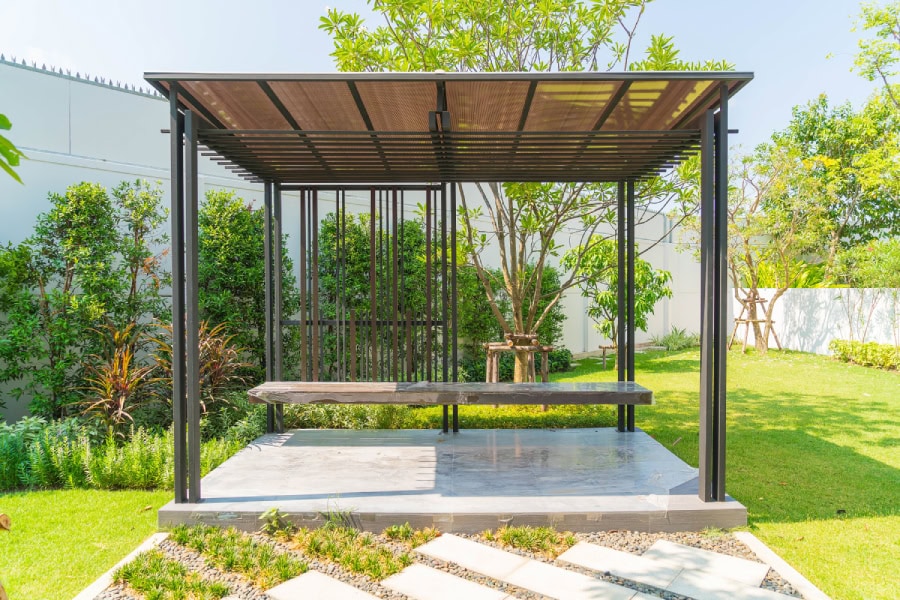
A pergola is an open-air structure defined by posts and overhead beams or slats. The roof is intentionally open, allowing sunlight to pass through. Pergolas can be attached to a home or built as freestanding features and are commonly made from:
- Pressure-treated or cedar wood
- Aluminum
- Composite materials
When a Pergola Makes Sense
A pergola works well when the goal is visual enhancement rather than protection.
- It is ideal for small yards where size matters.
- It provides partial shade without blocking light.
- It adds architectural interest to patios and walkways.
- It fits budget-conscious projects focused on design.
When a Pergola Is the Wrong Choice
A pergola becomes a problem when homeowners expect it to function like a roofed structure .Homeowners who need rain protection are usually better served by patio covers.
- It does not protect against rain.
- It cannot reliably support TVs, heaters, or electronics.
- It is not designed for snow loads.
- It performs poorly in areas with drainage issues.
Important reality: Adding a solid roof later usually requires rebuilding the structure from the ground up.
What Is a Gazebo?
Structure and Design
A gazebo is a fully roofed, freestanding structure, often with an octagonal or round shape. Many gazebos include railings, screens, or partial walls, creating a defined and enclosed space.
Strengths of a Gazebo
Gazebos appeal to homeowners looking for separation and shelter.
- They provide privacy.
- They offer bug protection with screening.
- They deliver consistent shade and rain cover.
- They create a destination-like seating area.
Gazebo Limitations Most Homeowners Miss
Gazebos also introduce constraints that are often overlooked.
- They are difficult to integrate with decks and patios.
- Their fixed shape limits layout flexibility.
- Snow tends to drift and accumulate unevenly on complex rooflines.
- Maintenance requirements are higher due to enclosed elements.
In Indiana winters, placement and orientation matter just as much as design.
What Is a Pavilion?
Structure and Design
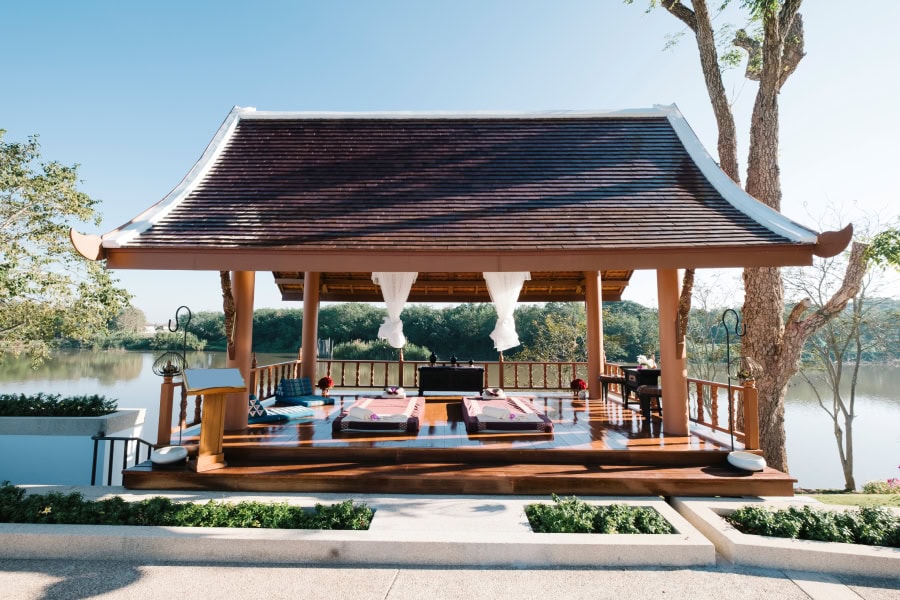
A pavilion features a solid roof supported by posts, with open sides for airflow. Pavilions are often part of larger outdoor living structures designed for everyday use.
Why Pavilions Are Popular in Indiana
Pavilions solve most of the problems homeowners encounter with other structures.
- They provide full rain protection.
- They support ceiling fans, heaters, lighting, and electronics.
- They are ideal for outdoor kitchens and dining areas.
- They perform well in wind when properly anchored.
This is why many homeowners who start with pergolas later upgrade to pavilions.
When a Pavilion Is Overkill
A pavilion is not always the right choice.
- Very small yards may feel crowded.
- Tight budgets may not allow for proper construction.
- HOA rules sometimes restrict roofed structures.

Pergola vs Gazebo vs Pavilion: The Differences That Actually Matter
Weather Protection in Indiana
- Pergolas offer shade only.
- Gazebos provide full coverage with enclosure.
- Pavilions offer full coverage with open airflow.
If rain use matters, pergolas are eliminated immediately.
Foundations and Footings
Indiana frost depth and soil movement demand proper planning.
- Footings must extend below frost lines.
- Deck attachment must be engineered correctly.
- Cutting corners leads to failed inspections and long-term shifting.
Permits and Code Triggers
- Attached structures typically require permits.
- Roofed structures almost always require approval.
- HOA regulations can override local allowances.
Understanding this before design saves time, money, and frustration.
Cost Differences: What Homeowners Actually Pay
Pricing is driven by construction factors, not national averages.
- Roof complexity
- Span engineering
- Footing depth
- Electrical and structural upgrades
General reality:
- Pergolas have the lowest entry cost but limited use.
- Gazebos cost more and offer mixed flexibility.
- Pavilions cost the most upfront but deliver the highest long-term value.
Cost should be evaluated in years of use, not initial price.
Common Mistakes Homeowners Make
These mistakes appear again and again:
- Choosing a pergola when rain protection is required.
- Undersizing footings to save money.
- Ignoring drainage and runoff.
- Designing before understanding permit requirements.
These are planning failures, not material failures.
Which One Is Right for You?
A better decision comes from asking the right questions:
- Do you need shade or full shelter?
- Will you use the space during rain or cooler seasons?
- Is this space decorative or functional?
- How much maintenance are you willing to handle?
- Are future upgrades planned?
Answering these honestly leads to the right structure every time. Size and scale matter more than most homeowners expect, our pergola size guide explains why.
Why Local Experience Matters
Indiana climate conditions punish generic designs.
- Snow, wind, and freeze-thaw cycles stress structures.
- Soil movement affects long-term stability.
- Builder experience matters more than manufacturer specs.
This is where national blogs fall short and local expertise makes the difference.
Talk to a Builder Before You Commit
The smartest step is validating your plan before construction begins. McFarland Outdoors approaches projects as a planning partner, not a sales pitch.
A short conversation can prevent expensive mistakes and ensure the structure you choose actually fits your property and goals.
Final Thoughts on Pergola vs Gazebo vs Pavilion
When it comes to pergola vs gazebo vs pavilion, the right choice depends on how you plan to use the space, how Indiana weather will affect it, and how long you expect it to last. Pergolas offer style and shade, gazebos provide privacy and enclosure, and pavilions deliver the most versatile, all-weather performance.
Choosing correctly the first time saves money, avoids rebuilds, and ensures your outdoor space works as hard as your home does.

Proven business leader with a strong track record of founding, growing, and scaling successful small businesses. Experienced in building companies from the ground up, driving sustainable growth, and leading teams through all stages of development. In the past year, led the delivery of 45+ custom deck projects. Skilled in identifying new business opportunities, developing and mentoring talent, and managing the full scope of daily operations—from sales and pricing strategy to financial oversight and execution. Known for operational excellence, strong financial acumen, and a continuous-improvement mindset that drives performance across every area of the business.